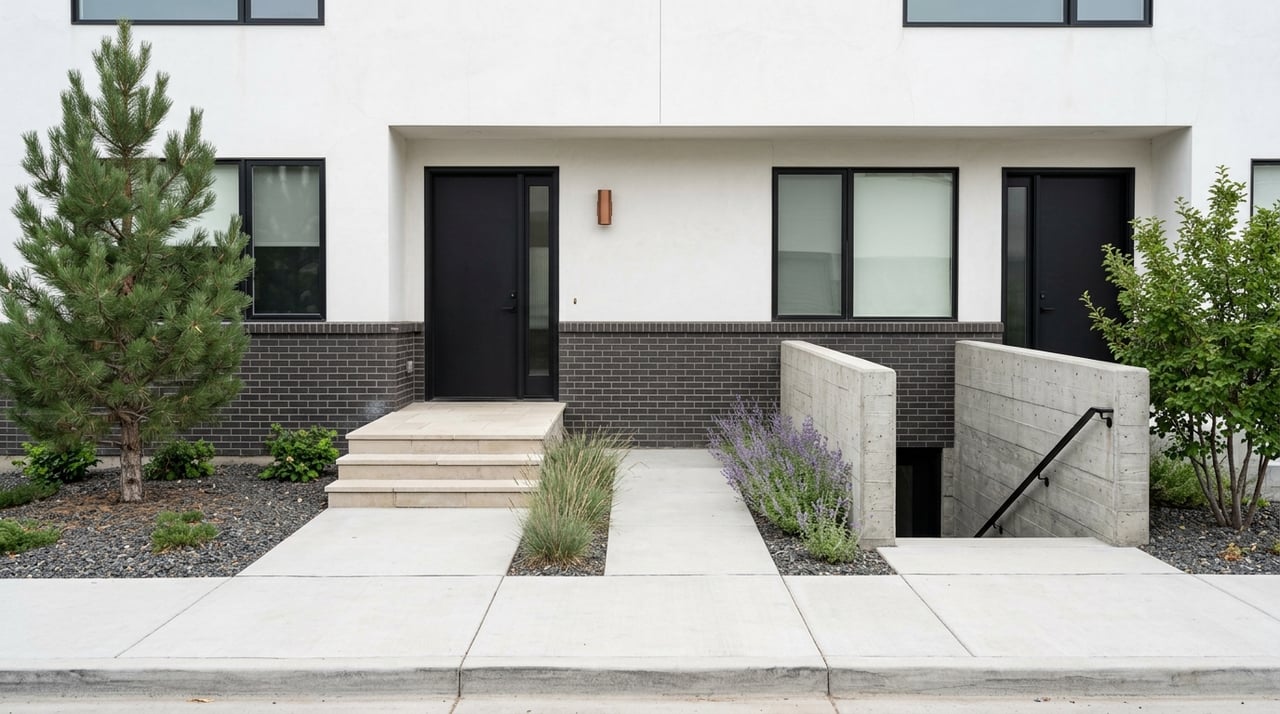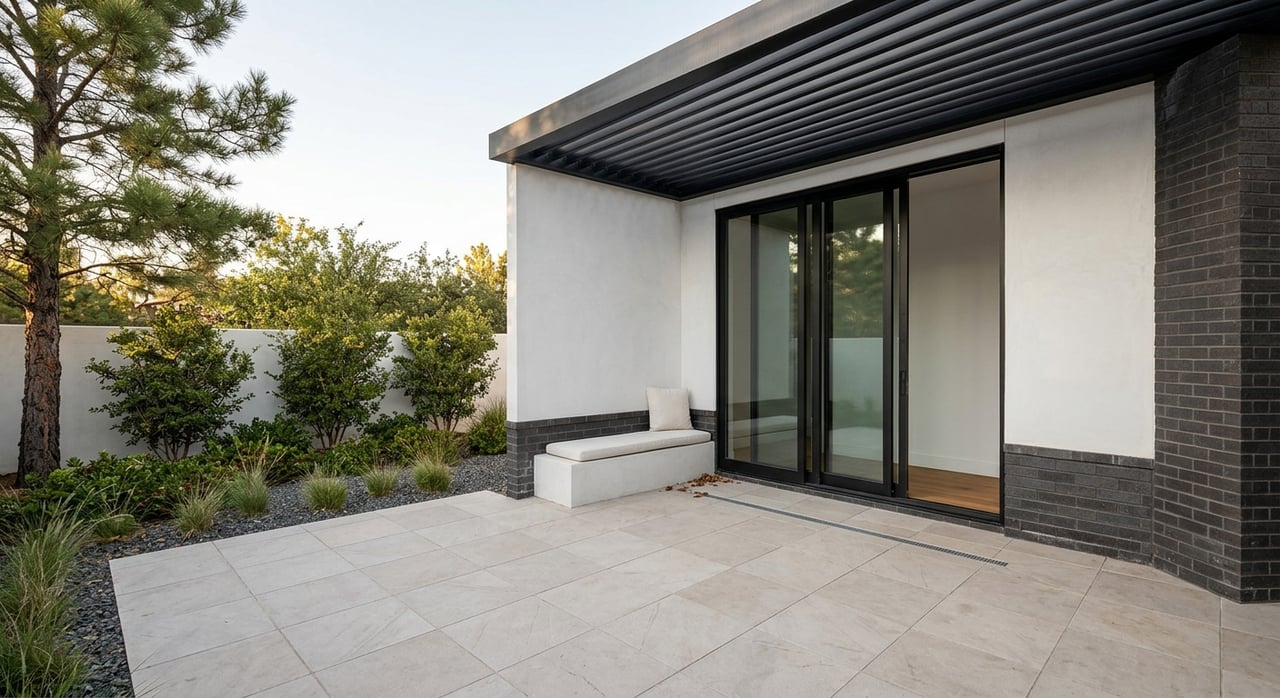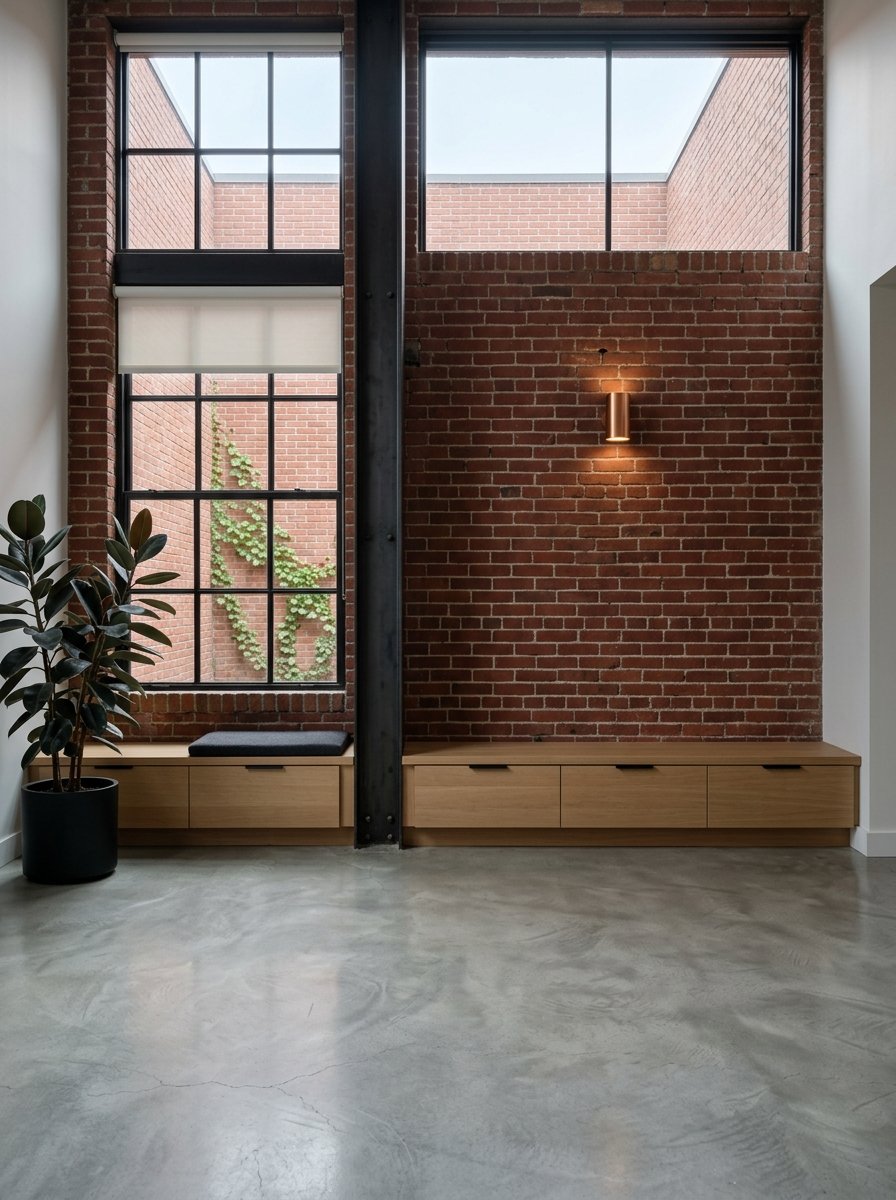
If you have ever walked Baker and wondered why one block feels ornate and storybook while the next feels simpler and more grounded, you are noticing one of the neighborhood’s most appealing traits. Baker grew from the 1870s through the 1920s, so its homes reflect several major design eras rather than one uniform look. If you are buying, renovating, or simply trying to understand what gives this part of South Central Denver its character, this guide will help you spot the classic home styles and understand how they live today. Let’s dive in.
Why Baker’s homes feel so varied
Baker developed over several decades, and that long growth period shaped the neighborhood’s architectural mix. The local historic district uses a period of significance from 1873 to 1937, which helps explain why late-19th-century Victorian-era homes sit near early-20th-century cottages, Denver Squares, and bungalows.
Streetcar service in the late 1880s helped accelerate growth, and much of that historic fabric remains intact today. In Baker, you still see the neighborhood’s original pattern of shallow front yards, larger rear yards, and alley-accessed garages and carriage houses. That layout matters because it gives the streets a consistent rhythm while leaving more flexibility at the back of the lot.
Baker styles you’ll see most
Official district descriptions identify several styles in Baker, including Queen Anne, Victorian eclectic, Classic Cottages, Shingle style, Denver Squares with Classical Revival elements, Bungalows, and a few Colonial Revival and Gothic Revival examples. For most buyers, the easiest categories to recognize are the more ornate Victorian-era homes and the simpler early-20th-century forms.
That mix is part of what makes Baker so visually interesting. You can move from decorative rooflines and spindlework to lower, more horizontal porches within the same stretch of street.
Queen Anne and Victorian eclectic
In Baker, many people use “Victorian” as a catch-all, but the district’s most recognizable late-19th-century houses are often Queen Anne or Victorian eclectic. These homes tend to feel lively and detailed from the sidewalk, with asymmetrical facades and more decorative trim than later homes.
Look for features like forward-facing gables, one-story porches, large windows, fish-scale shingles, bargeboards, spindlework, and, on some homes, conical towers. Partial-width and half-width porches are common on these houses, which can make the front elevation feel more layered and less formal.
Inside, these homes often feel room-by-room rather than wide open. Their planning is typically more asymmetrical, often organized around a central staircase, which can create charming but less predictable layouts.
Bungalows and Craftsman influence
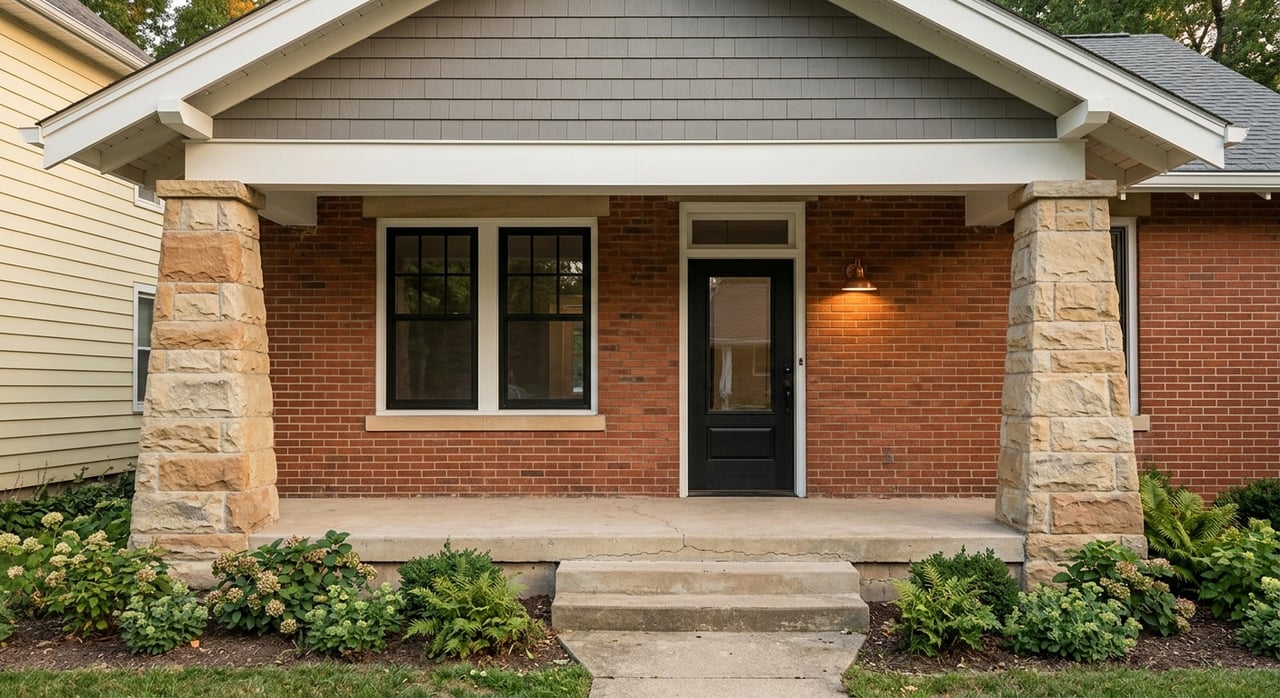
Baker’s early-20th-century homes often shift toward a calmer, more practical look. Bungalows and related Craftsman-influenced houses are generally lower, simpler, and more horizontal than Queen Anne homes, which makes them easy to spot once you know what to look for.
Common features in Baker include front-gabled porches, exposed gable trusses, brick piers, stone caps, and wood railings. More broadly, bungalow and Craftsman forms often have one to one-and-a-half stories, low-pitched roofs, wide overhanging eaves, and exposed rafters or knee braces.
These homes also tend to feel more efficient in daily life. Their stronger porch-to-interior connection and generally simpler layout can appeal to buyers who want historic character with a more straightforward floor plan.
Denver Squares and Classic Cottages
Baker also includes Denver Squares and Classic Cottages, which help bridge the gap between ornate Victorian houses and more relaxed bungalow forms. Full-width porches are more common on early-20th-century homes such as Bungalows and Denver Squares, so porch size is often a useful clue when you are comparing styles.
Denver Squares typically read as more balanced and boxy from the street, especially when compared with the asymmetry of Queen Anne homes. In a neighborhood like Baker, that can make them feel a bit more formal and orderly without losing the historic street presence that defines the area.
Tudor Revival in the broader area
Tudor Revival is not one of Baker’s defining styles in the same way Queen Anne, Victorian eclectic, and bungalow forms are. Still, if you are exploring South Central Denver more broadly, it helps to know the look because Tudor homes appear more clearly in nearby later-developing districts.
Tudor Revival homes usually feature steeply pitched cross-gable roofs, half-timbering, mixed brick, stucco, or stone exteriors, decorated chimneys, and tall, narrow casement windows with multi-pane glazing. Compared with bungalows, they usually feel more enclosed and more vertical from the street.
How to tell the styles apart fast
If you want a quick way to identify a home style while touring Baker, focus on three things first: roofline, porch, and ornament. Those details usually give you the clearest answer before you ever step inside.
Quick visual clues
- Queen Anne or Victorian eclectic: Asymmetrical shape, more ornament, varied rooflines, decorative shingles, spindlework, and sometimes towers or dramatic gables
- Bungalow: Lower profile, simpler lines, broader porch, stronger horizontal feel, exposed rafters or truss details
- Denver Square: More balanced front facade, fuller massing, and a more structured overall shape
- Tudor Revival: Steep gables, tall narrow windows, half-timbering, and a more enclosed presence
When you compare them side by side, the difference becomes easier to see. Queen Anne homes often look expressive and layered, while bungalows feel grounded and efficient.
What these styles mean for daily living
Architecture is not just about curb appeal. In Baker, home style often shapes how a house feels, functions, and adapts over time.
Queen Anne homes can offer memorable details and strong visual character, but their room-by-room layouts may feel less open than some buyers expect today. Bungalows and Craftsman-influenced homes are usually smaller and simpler, yet they often feel efficient and connected to the outdoors through the porch.
Tudor Revival homes, when you see them in the broader South Central Denver area, often prioritize picturesque massing and a more enclosed street presence. Period Revival houses in general also tended to use larger but fewer rooms than some earlier homes.
Renovating in Baker without losing character
For design-minded buyers and owners, Baker can be especially appealing because the neighborhood offers both historic personality and real renovation potential. The key is understanding which features define the house from the street and which areas of the lot offer more flexibility.
Denver’s landmark guidelines say new work in historic districts should relate to the district’s setback pattern, massing, roof forms, entries, porches, proportions, windows, and materials. At the same time, updates should still read as contemporary rather than as a fake historic copy.
Features worth protecting
If you are planning a renovation, the most important elements to preserve are usually the ones that shape the home’s street-facing identity. In Baker, that often means protecting:
- Front porch form and detailing
- Roof shape and silhouette
- Window proportions
- Original masonry or wood trim
- Overall massing of the house
These are the features that help a home continue to fit the district, even when the interior is updated for modern living.
Where additions usually fit best
Because Baker’s front yards are shallow and open, changes at the front can disrupt the block’s historic rhythm more easily. Rear yards are generally larger, and alley-oriented accessory structures are already part of the neighborhood pattern.
That is why interior reconfigurations, rear additions, and carefully scaled accessory-structure work often make the most sense here. In many cases, the most compatible way to add space is to keep the primary street facade, porch, and roof silhouette largely intact while doing more of the work behind the original house.
When Denver review may apply
If a property is inside Baker’s local historic district, some exterior changes will go through Landmark Preservation review. In Denver, exterior work that requires building or zoning permits is reviewed in the historic district context.
Roof permits and other exterior quick permits in historic districts also require Landmark review. Garages in historic districts need a certificate of appropriateness before building and zoning permits are issued, which is especially relevant in Baker because alley-accessed garages are part of the historic setting.
Why this matters when you buy or sell
Understanding home style is not just an academic exercise. If you are buying, it helps you match the right architecture to your lifestyle, renovation plans, and tolerance for maintenance. If you are selling, it helps you present the home in a way that highlights what makes it architecturally distinct.
In a neighborhood like Baker, buyers are often responding to both history and livability. Knowing whether a home’s appeal comes from decorative Victorian detail, bungalow efficiency, or a more formal early-20th-century layout can shape how you price, market, and improve the property.
If you are exploring Baker or comparing classic homes across South Central Denver, it helps to have guidance that blends neighborhood knowledge with a design-minded eye. The LoSasso Group can help you evaluate character, renovation potential, and resale strategy with a local perspective.
FAQs
What home styles are most common in Baker, Denver?
- Baker is known for Queen Anne, Victorian eclectic, Classic Cottages, Denver Squares with Classical Revival elements, Bungalows, and a few Colonial Revival and Gothic Revival examples.
How can you tell a Queen Anne home from a bungalow in Baker?
- Start with the roofline, porch, and ornament. Queen Anne homes usually look more asymmetrical and decorative, while bungalows are lower, simpler, and more horizontal.
What original features matter most when renovating a Baker historic home?
- The front porch, roof shape, window proportions, original masonry or wood trim, and the home’s overall massing are among the most important features for compatibility.
Where can you usually add space on a Baker property?
- In Baker, rear additions and rear-lot improvements often fit better than front-facing changes because the neighborhood has shallow open front yards, larger rear yards, and alley-oriented accessory structures.
When does Landmark Preservation review apply in Baker, Denver?
- For properties inside the local historic district, exterior changes that require building or zoning permits are reviewed by Landmark Preservation, and garages also need a certificate of appropriateness before permits are issued.