Trying to choose between a condo and a loft in Downtown Denver? It is a common question, especially when both options can look appealing online but feel very different once you step inside. If you want to balance lifestyle, layout, ownership costs, and long-term flexibility, this guide will help you sort through the real differences so you can focus on what fits you best. Let’s dive in.
Condo vs loft in Denver
The first thing to know is that condo and loft do not mean the same thing.
A condominium is an ownership structure. You own your individual unit and share ownership of common areas with other owners in the building or community. A loft, on the other hand, usually describes the style of the space itself, often with an open layout and fewer interior walls.
In Downtown Denver, that distinction matters because many lofts are also condos from a legal ownership standpoint. In other words, you may be comparing two homes that are both condos on paper, but live very differently day to day.
Why loft living stands out in LoDo
If you picture loft living in Denver, you are probably picturing LoDo. The City of Denver describes Lower Downtown as a historic mixed-use hub with retail, restaurants, bars, office, and residential uses, including converted historic buildings and newer mid-rise construction.
That mix helps explain why lofts are such a visible part of Downtown Denver. LoDo’s identity is tied to historic character, adaptive reuse, and an urban street experience that feels distinct from a typical high-rise tower.
For many buyers, that atmosphere is the draw. You are not just buying square footage. You are choosing a setting, a building story, and a different kind of daily rhythm.
What condo living usually offers
Condo towers often appeal to buyers who want a more predictable setup. In many high-rise buildings, the overall experience tends to include more managed common areas, elevator access, and shared building systems that create a streamlined, lock-and-leave feel.
That does not mean every condo tower has the same features, but the lifestyle is often more standardized. If you travel often, want less day-to-day building guesswork, or prefer a more structured environment, a condo building may feel easier to manage.
This can also shape your expectations as a buyer. You may be looking not only at the unit itself, but also at how the building is run, what common systems it supports, and whether the setup matches your routine.
What loft living usually feels like
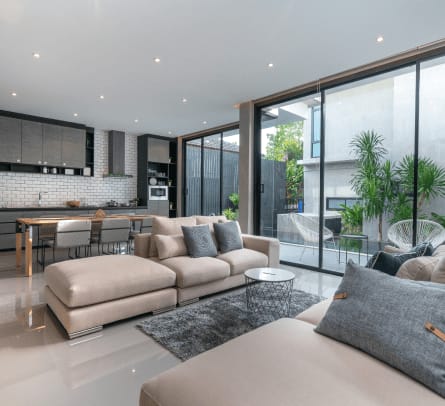
Lofts tend to be more about character, volume, and openness than a long list of building amenities. High ceilings, flexible open areas, and a more industrial or historic feel are often part of the appeal.
That style can be a great fit if you want a home that feels creative, airy, or less conventional. Remote workers, design-minded buyers, and people who enjoy an active downtown setting often gravitate toward loft spaces for that reason.
At the same time, loft living can come with tradeoffs. Fewer interior walls may mean less separation between living, sleeping, and work areas, which can affect privacy, sound, and storage.
Amenities and services matter
One of the biggest practical differences is often the building itself, not the label.
In many condo towers, buyers expect more shared conveniences and a more managed environment. That can include features tied to larger building systems, such as elevators, central systems, garages, or other common spaces.
Loft buildings may offer a different value equation. You may get more architectural personality and a more distinctive interior feel, but fewer shared services or amenities. If your priority is convenience, compare buildings carefully. If your priority is style and individuality, lofts may rise to the top.
Noise, privacy, and storage
This is where your day-to-day life becomes very real.
Because lofts are more open, they can feel louder and may offer less enclosed storage than a unit with a more traditional layout. In a mixed-use area like LoDo, nearby restaurants, bars, and street activity can also play a bigger role in how a home feels at different times of day.
With condos, the noise question is usually more building-specific than category-specific. Floor level, window quality, and building age often matter more than whether a listing says condo or loft.
If privacy is a top priority, think beyond finishes and square footage. Ask yourself how much separation you want between your living areas, how much built-in storage you need, and how sensitive you are to street energy.
Parking can change the decision
In Downtown Denver, parking should never be an afterthought.
Denver manages right-of-way parking through programs that include residential parking permits, but that does not guarantee your building setup will be simple. A downtown home may come with deeded parking, an assigned stall, a leased space, or no on-site parking at all.
This is especially important in older or converted buildings, where parking access can be less consistent. Denver’s downtown planning documents note that surface parking lots still interrupt parts of the LoDo streetscape, which is a good reminder that parking supply is not uniform across the area.
Before you commit, confirm exactly what is included. Parking terms can affect both convenience and resale appeal.
HOA details matter more than the label
If there is one thing many buyers underestimate, it is the homeowners association.
In Colorado, common interest communities are governed by the Colorado Common Interest Ownership Act, often called CCIOA, though some older pre-1992 communities may still fall under older condominium law in certain ways. That means the age of the building can influence more than style. It can also affect the legal framework around ownership and association operations.
The Colorado Department of Regulatory Agencies advises buyers to review governing and financial documents once they are under contract. There is no central statewide repository for HOA documents, so buyers usually need to obtain declarations, bylaws, budgets, and related records through the seller and broker.
DORA also notes that HOAs must maintain insurance on common elements and carry commercial general liability insurance. Just as important, buyers should be aware that special assessments and other unexpected HOA costs are possible.
That is why we always tell clients to look closely at:
- HOA budgets
- Reserve funding
- Meeting minutes
- Insurance coverage
- Rules and restrictions
- Any signs of deferred maintenance or upcoming major projects
A newer tower may have higher dues because it supports more shared systems and services. An older loft building may offer more character, but still face reserve or maintenance pressure if the association is underfunded.
Historic rules can affect updates
If you love a loft in LoDo, make sure you understand what can and cannot be changed.
Denver’s Lower Downtown Historic District uses design standards and guidelines to review exterior alterations and some other visible work. For buyers, that can matter if you are thinking about future changes to windows, facades, signage, additions, or related exterior elements.
This does not make historic properties less attractive. It simply means your remodeling flexibility may be different from what you would have in a newer building. If design freedom is important to you, this should be part of your evaluation early on.
Which option fits your lifestyle
The best choice usually comes down to how you want to live.
Condo tower fit
A condo tower may suit you best if you want:
- A more managed environment
- A lock-and-leave setup
- More predictable building systems
- A layout with more separation
- Convenience tied to shared services
This option often works well for frequent travelers, busy professionals, and buyers who prioritize ease and structure.
Loft building fit
A loft may suit you best if you want:
- Open, flexible living space
- Historic or industrial character
- Higher ceilings and visual volume
- A creative live-work feel
- Close proximity to LoDo street life
LoDo’s business district includes a broad mix of restaurants, clubs, galleries, shops, and hospitality businesses, so buyers who enjoy downtown energy often find loft living especially appealing.
If you are deciding as a couple
For couples, this choice often comes down to tradeoffs. One person may love the openness and personality of a loft, while the other may care more about privacy, storage, and parking.
That is normal. The key is to rank your non-negotiables before you tour too many properties. Once you know what matters most, the right fit becomes much easier to spot.
Think long term, not just first impression
Downtown Denver continues to evolve. The city’s downtown planning efforts point toward economic growth, adaptive reuse, and more housing choices, which suggests the residential mix will keep changing over time.
That is why your decision should go beyond the initial vibe of a space. A dramatic loft ceiling or polished condo lobby may grab your attention, but long-term ownership is usually shaped by practical factors.
Focus on the details that most directly affect comfort and resale, including:
- Building age
- HOA reserves and financial health
- Parking access
- Special-assessment risk
- Historic-district constraints
- Noise and privacy realities
When you look through that lens, the condo-versus-loft question becomes much clearer.
Choosing between a condo and a loft in Downtown Denver is really about matching the property to your lifestyle, budget, and ownership goals. If you want help comparing buildings, reviewing the details that matter, and narrowing in on the right fit, The LoSasso Group is here to help.
FAQs
What is the difference between a condo and a loft in Downtown Denver?
- A condo refers to the ownership structure, while a loft usually refers to the layout and building style. In Downtown Denver, many lofts are also condos legally.
Are lofts common in Denver’s LoDo neighborhood?
- Yes. Denver describes LoDo as a historic mixed-use area with residential uses that include converted historic buildings and newer mid-rise construction, making loft living a visible part of the neighborhood.
Do Downtown Denver condos usually have more amenities than lofts?
- Often, yes. Condo towers typically offer a more managed environment with larger shared systems and common spaces, while loft buildings are more often defined by character and open design.
What should buyers review about an HOA in Downtown Denver?
- Buyers should review governing documents, budgets, meeting minutes, insurance coverage, reserve funding, and any risk of special assessments before moving forward.
Why is parking important when buying a condo or loft in Downtown Denver?
- Parking setups vary widely downtown. A unit may include deeded parking, an assigned stall, a leased space, or no on-site parking, so you should confirm the exact arrangement before buying.
Can historic rules affect loft renovations in LoDo?
- Yes. In the Lower Downtown Historic District, Denver reviews exterior alterations and some related work under design standards and guidelines, which can affect future update plans.